Before the Drop: Did the 1920s Have the First DJs?
We think of DJ culture as a product of the strobe lights and sub-woofers of the modern era. But if you look back a century, the blueprint for the “Disc Jockey” was already being drawn.
In 1926, the term “DJ” didn’t exist, and there certainly weren’t any CDJs or mixers. Instead, the scene was dominated by the Roaring Twenties’ version of EDM: Jazz. But while flappers were dancing in underground speakeasies to live orchestras, a quiet revolution was happening over the airwaves.
The Rise of the “Radio Men”
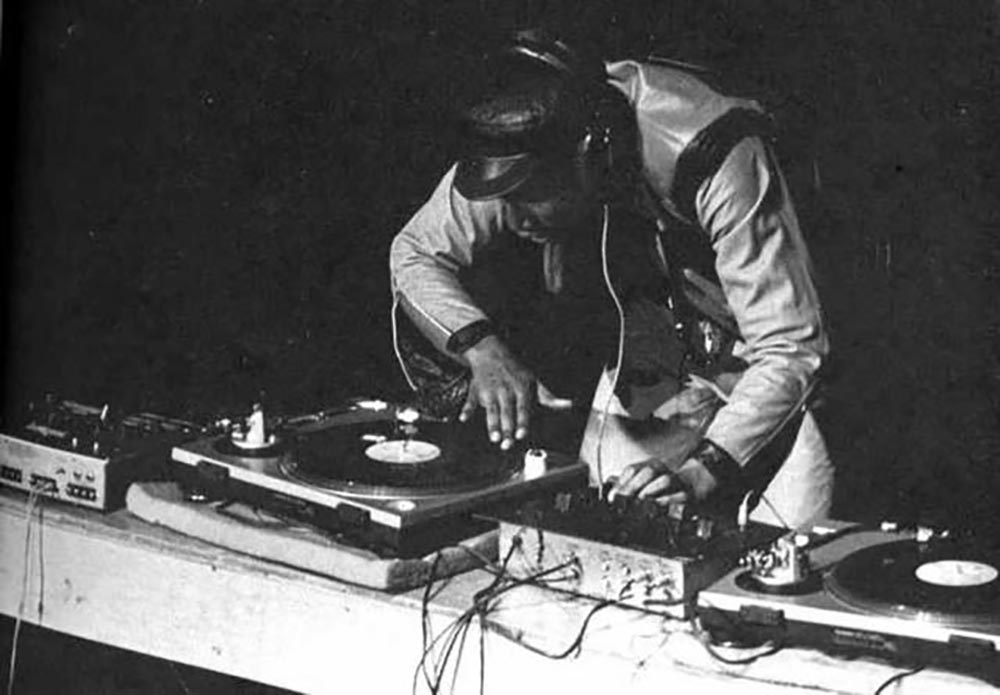
The 1920s saw the birth of commercial radio. Before then, if you wanted music, you had to see it live. Suddenly, “radio announcers” became the world’s first curators. They were the ones selecting records, placing them on mechanical turntables, and broadcasting them to thousands of people at once. They were the original influencers, deciding what the public would hear next.
Turntables without Electricity
Technologically, the “gear” of 1926 was primitive. Turntables were often hand-cranked and used large horns to amplify sound rather than electronic speakers. There was no such thing as “beatmatching” or “transitions.” When one record ended, there was silence until the next one began. Yet, the core concept was the same: someone was playing recorded music for a crowd.
Why It Matters for 2026
Understanding the 1920s helps us appreciate how far we’ve come. Today, we have AI-driven light shows and immersive soundscapes, but the fundamental human desire remains unchanged: the need for a curator to lead the party. The radio pioneers of the 1920s were the grandfathers of the headliners we see at Ultra or Parookaville today.
So, the next time you see a DJ seamlessly blend two tracks, remember the radio announcers of a century ago who were just happy the needle didn’t skip.